
Beschreibung
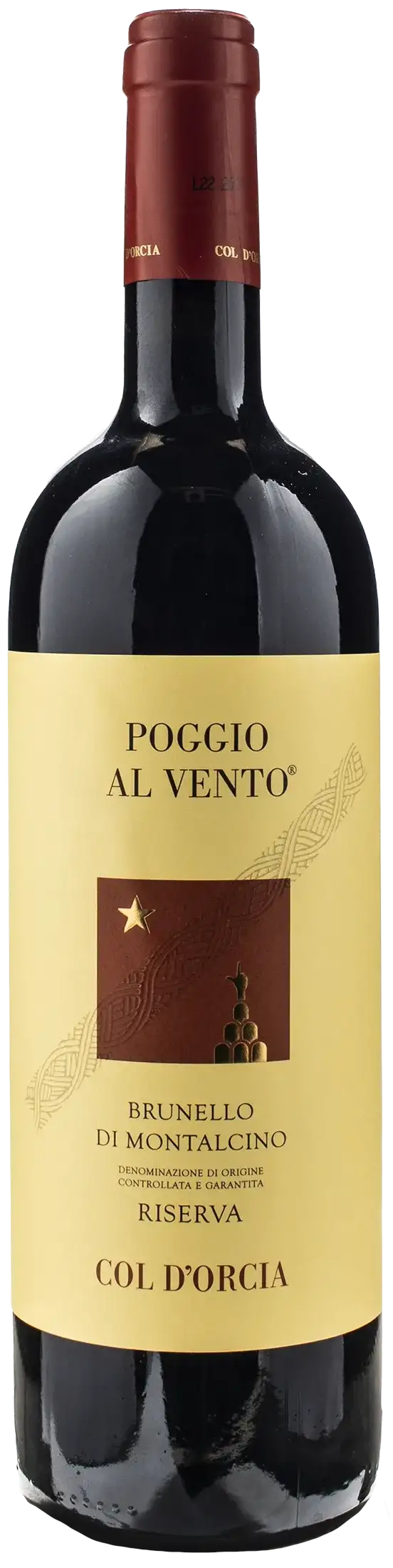
Brunello di MontalcinoDOCGis the ace in the hole of the is the ace in the hole of the Col D’Orcia winery, which dates back to the second half of the 17th century, when it was acquired by ancient Sienese counts. The company has been active since 1933 and specializes in the production of organic wines tied to the regional tradition, based in , which dates back to the second half of the 17th century, when it was acquired by ancient Sienese counts. The company has been active since 1933 and specializes in the production of organic wines tied to the regional tradition, based in Montalcino, a Tuscan town on the Sienese hills. It is a , a Tuscan town on the Sienese hills. It is a still red, with numerous awards under its belt over the years, including , with numerous awards under its belt over the years, including Wine Enthusiast, , Decanter, , Vinous, and many others. It is made with a , and many others. It is made with a blendof 100% of 100% Sangiovesegrapes. The name of the grapes. The name of the grape varietycomes from Mount San Giove in comes from Mount San Giove in Santarcangelo di Romagna. Its origins are ancient, having been known since the Etruscans. It is a vine widespread especially in Central Italy, in the regions of . Its origins are ancient, having been known since the Etruscans. It is a vine widespread especially in Central Italy, in the regions of Marche, , Umbriaand and Tuscany. The grapes ripen late and are harvested around September and October. The . The grapes ripen late and are harvested around September and October. The harvestis done manually, in baskets. After the berries are picked, is done manually, in baskets. After the berries are picked, fermentationtakes place on the skins, with natural and indigenous yeasts, at a controlled temperature below 30°C, for 18-20 days, in tanks specially designed to delicately extract both tannins and color from the must. The takes place on the skins, with natural and indigenous yeasts, at a controlled temperature below 30°C, for 18-20 days, in tanks specially designed to delicately extract both tannins and color from the must. The refinementcontinues for 4 years in Slovenian and Allier oak barrels, followed by continues for 4 years in Slovenian and Allier oak barrels, followed by bottle agingfor another 6 months.for another 6 months.