Beschreibung
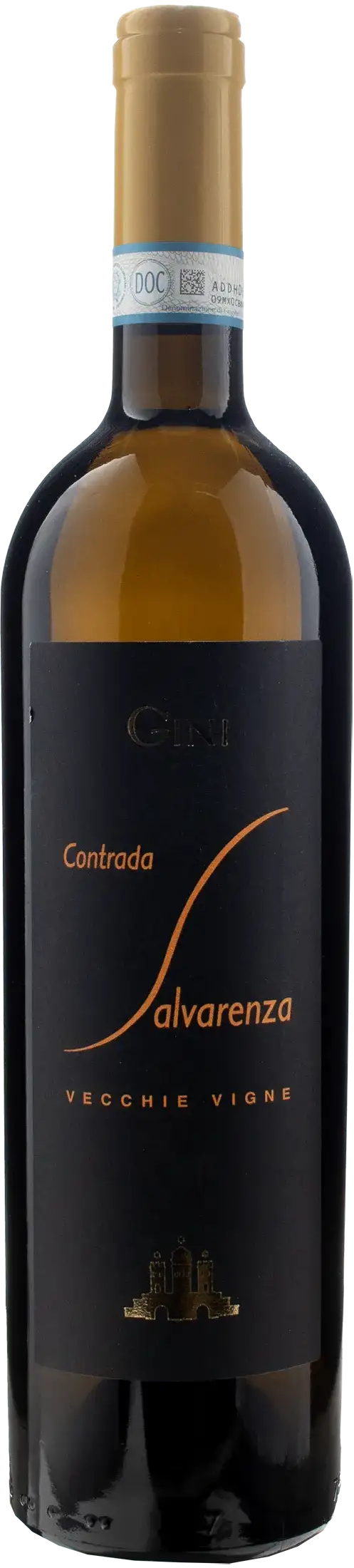
Soave Classico Contrada Salvarenzais a still white wine with Controlled Designation of Origin (DOC). This wine is produced in the Veneto region from a 100% Garganega blend. It is made from organically grown vines, planted in the is a still white wine with Controlled Designation of Origin (DOC). This wine is produced in the Veneto region from a 100% Garganega blend. It is made from organically grown vines, planted in the Soave Classicoarea, on soil characterized by limestone veins with small layers of tuff. Trained using the Veronese pargoletta system, the vines grow on the hills of Monteforte d’Alpone, 150 meters above sea level, and enjoy a southeast exposure and diverse microclimates. The Soave Classico Contrada Salvarenza wine from the area, on soil characterized by limestone veins with small layers of tuff. Trained using the Veronese pargoletta system, the vines grow on the hills of Monteforte d’Alpone, 150 meters above sea level, and enjoy a southeast exposure and diverse microclimates. The Soave Classico Contrada Salvarenza wine from the Giniwinery is the fruit of winery is the fruit of grapesrich in organoleptic properties, grown on rich in organoleptic properties, grown on vinesthat are just over 70 years old. The grapes are selected and harvested strictly by hand in wooden crates. The harvest takes place at the end of October. After the harvest, the must is in brief contact with the skins, followed by a soft pressing and rapid cooling of the must. This is followed by the alcoholic fermentation phase. This is carried out entirely in wood with indigenous yeasts and without the addition of sulfites. Fermentation takes place in large barrels and wooden vats aged for at least 3 years. The wine is then left to rest for a year in 228-liter barriques in contact with its natural yeasts; it is then bottled. Once in the bottle, it is further refined for at least 6 months. This final refinement takes place in a cellar carved into the rock, maintaining excellent humidity levels and optimal temperatures. The result is a wine with an intense, harmonious, and refined aroma, more than suited to long aging.that are just over 70 years old. The grapes are selected and harvested strictly by hand in wooden crates. The harvest takes place at the end of October. After the harvest, the must is in brief contact with the skins, followed by a soft pressing and rapid cooling of the must. This is followed by the alcoholic fermentation phase. This is carried out entirely in wood with indigenous yeasts and without the addition of sulfites. Fermentation takes place in large barrels and wooden vats aged for at least 3 years. The wine is then left to rest for a year in 228-liter barriques in contact with its natural yeasts; it is then bottled. Once in the bottle, it is further refined for at least 6 months. This final refinement takes place in a cellar carved into the rock, maintaining excellent humidity levels and optimal temperatures. The result is a wine with an intense, harmonious, and refined aroma, more than suited to long aging.